Deputy Minister Challenges ZOU to Turn Strategy into Everyday Impact
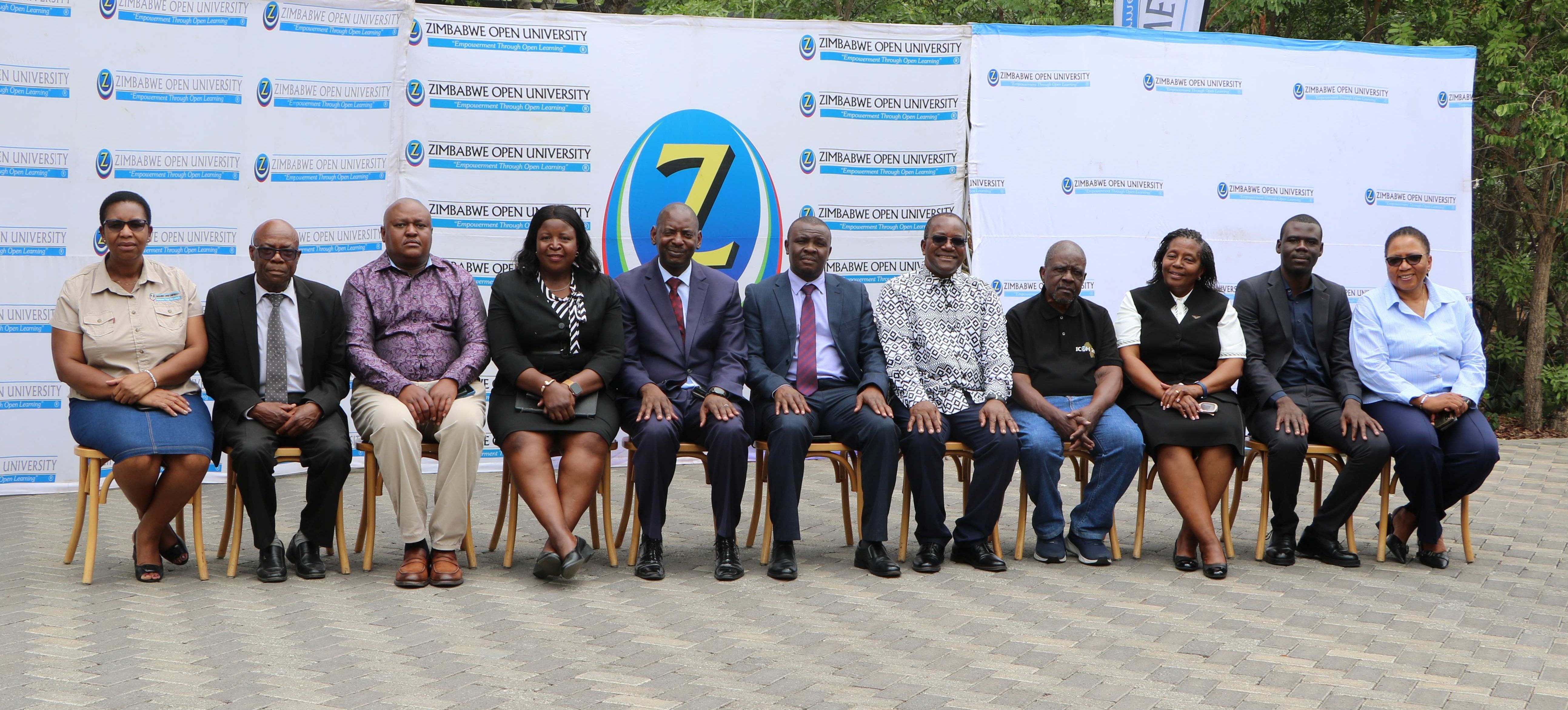
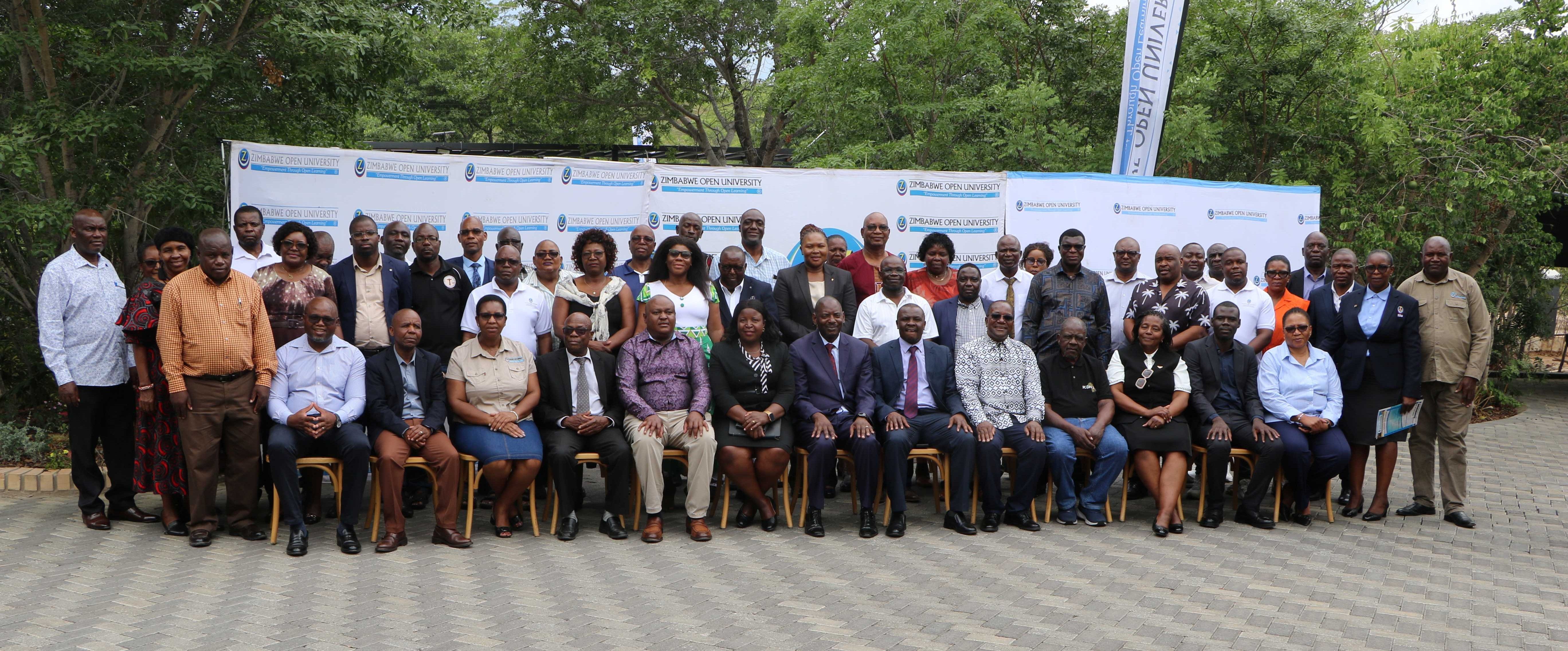
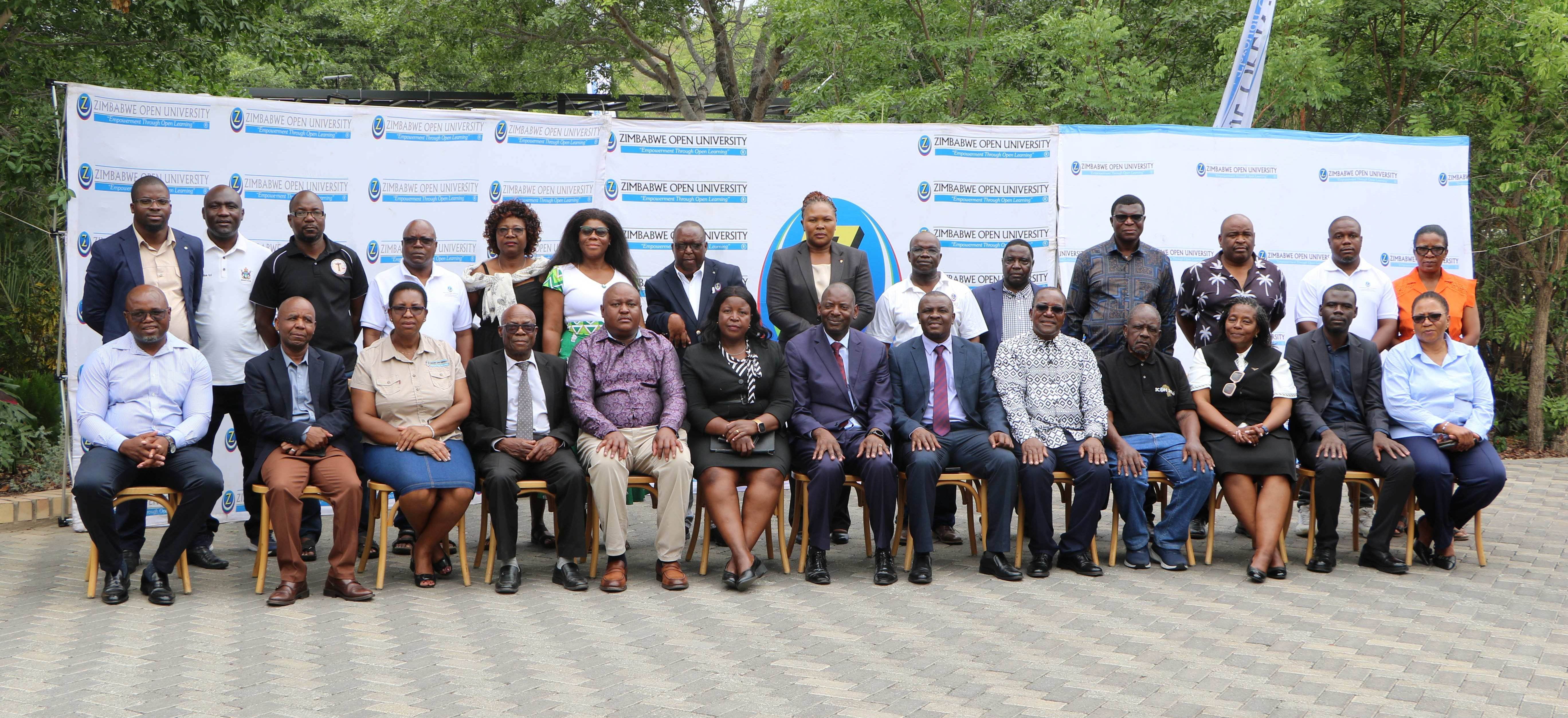
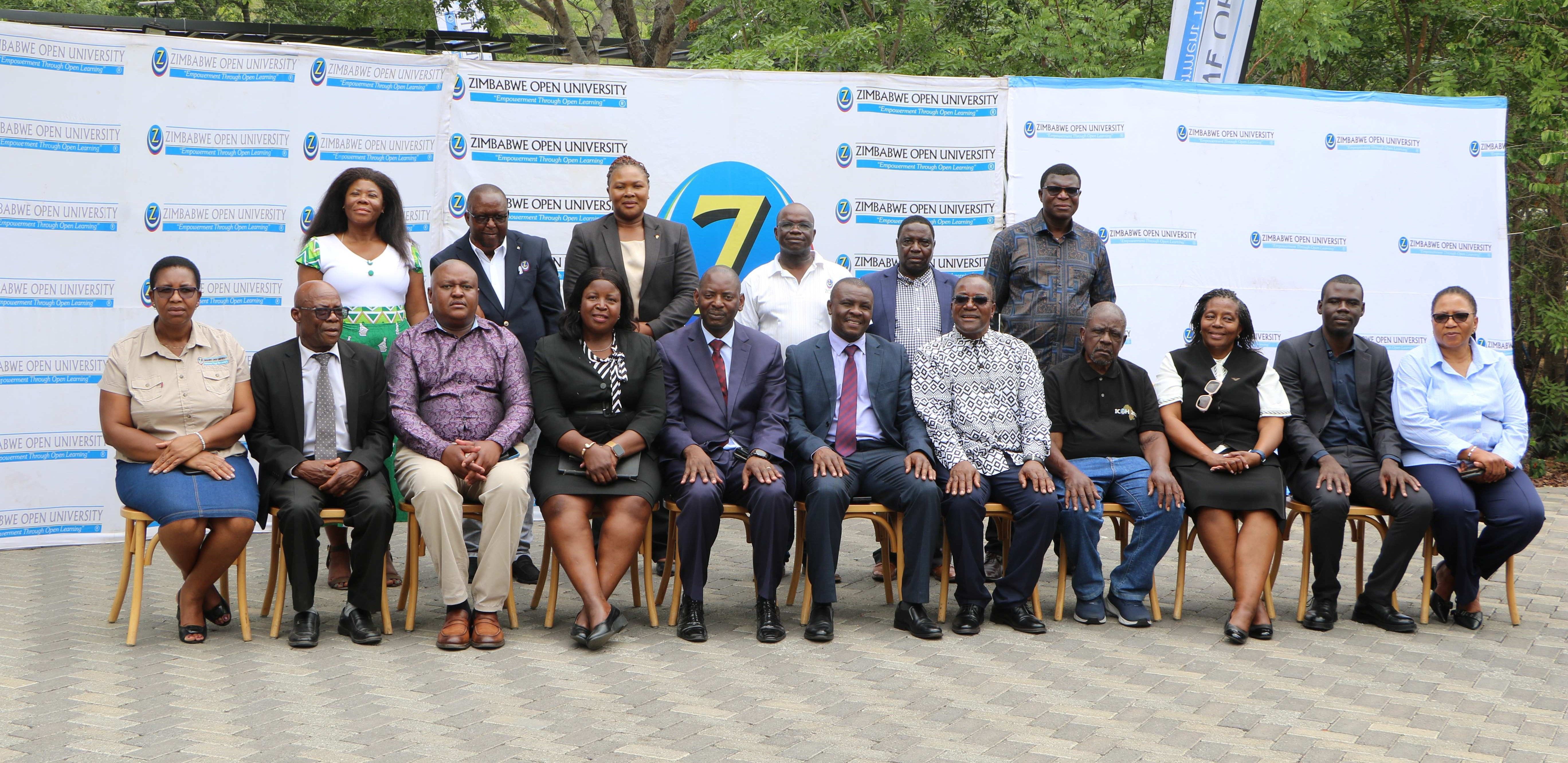
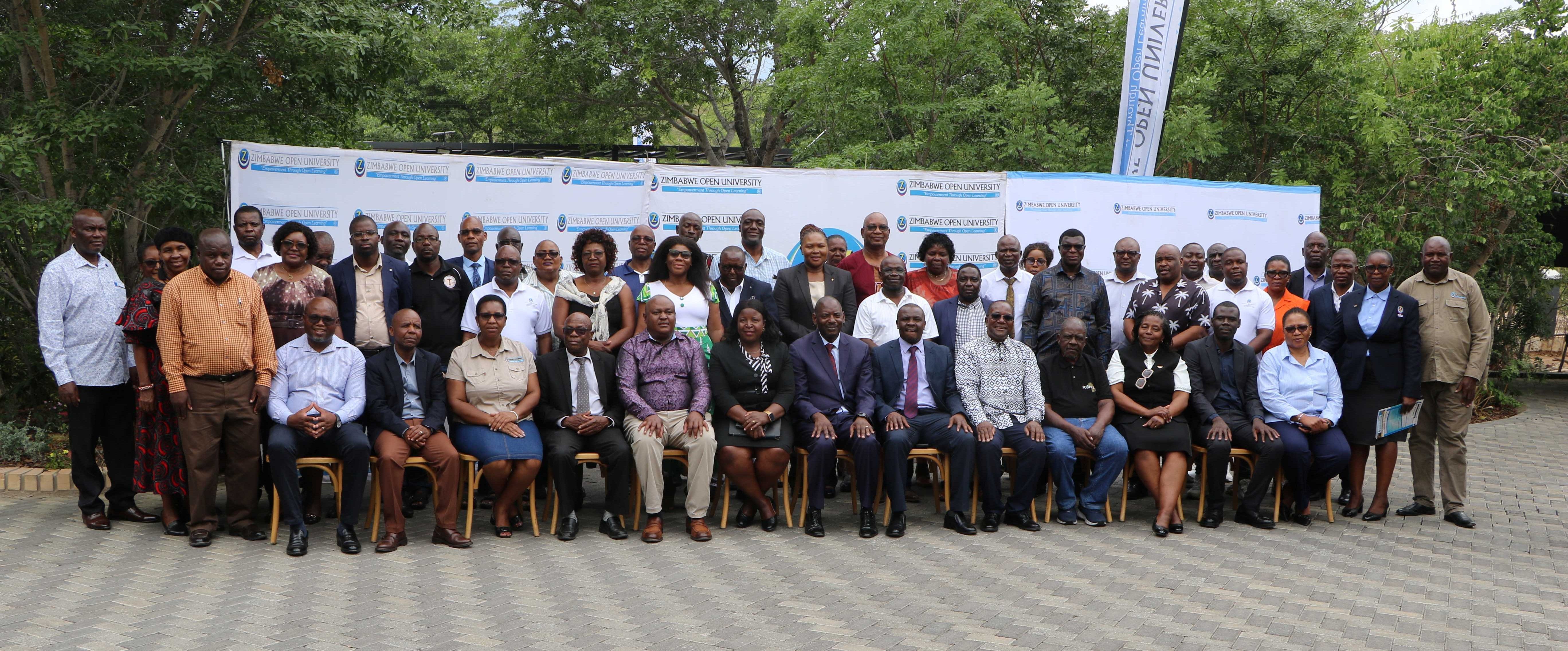
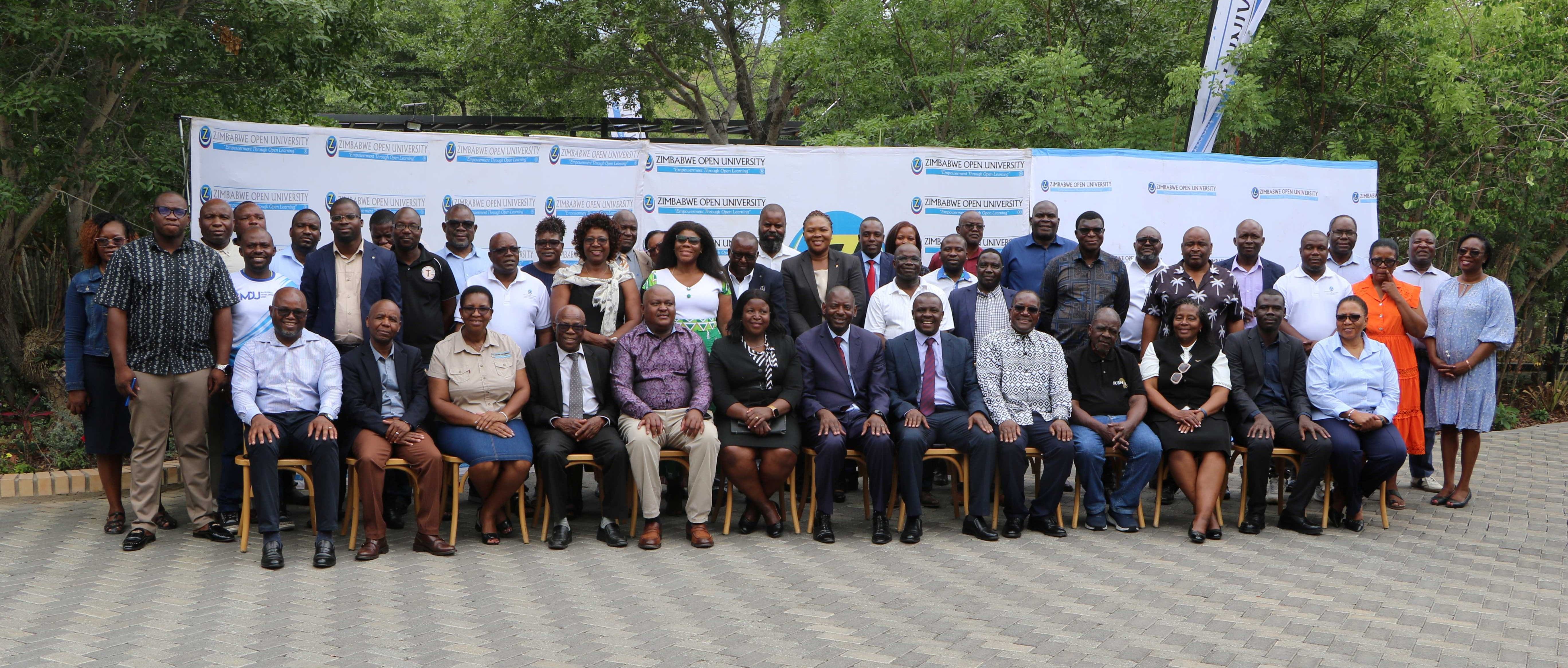 Participants pose for a group photo with the Deputy Minister of Higher and Tertiary Education, Innovation, Science and Technology Development Hon. Simelisizwe Sibanda during the 2026 Strategic Planning Workshop at Gohori Resort in Mutoko
MUTOKO — Beneath the quiet canopy of Gohori Resort in Mutoko, the mission of open education felt deeply personal on Wednesday as Zimbabwe Open University (ZOU) entered day three of its 2026 Strategic Planning Workshop. The session was officially opened on behalf of the Minister of Higher and Tertiary Education, Innovation, Science and Technology Development, Hon. Ambassador Frederick M. Shava, by Deputy Minister Hon. Simelisizwe Sibanda.
Welcoming the Deputy Minister on behalf of the Council of Management and the wider ZOU community, Council Chairperson Ms. Loice Ngulube noted the value of the Ministry’s continued partnership and guidance as the University sharpens its strategic direction. Recalling her remarks when formally opening the workshop on Monday, she underscored that the review must go beyond revising a document, calling for honest reflection on what is working, what needs to change, and what can realistically be achieved with available resources. She also outlined Council expectations around widening access while safeguarding academic quality, enhancing financial sustainability, advancing digital transformation, and reinforcing good governance, enterprise development, and risk management through clear priorities and defined responsibilities.
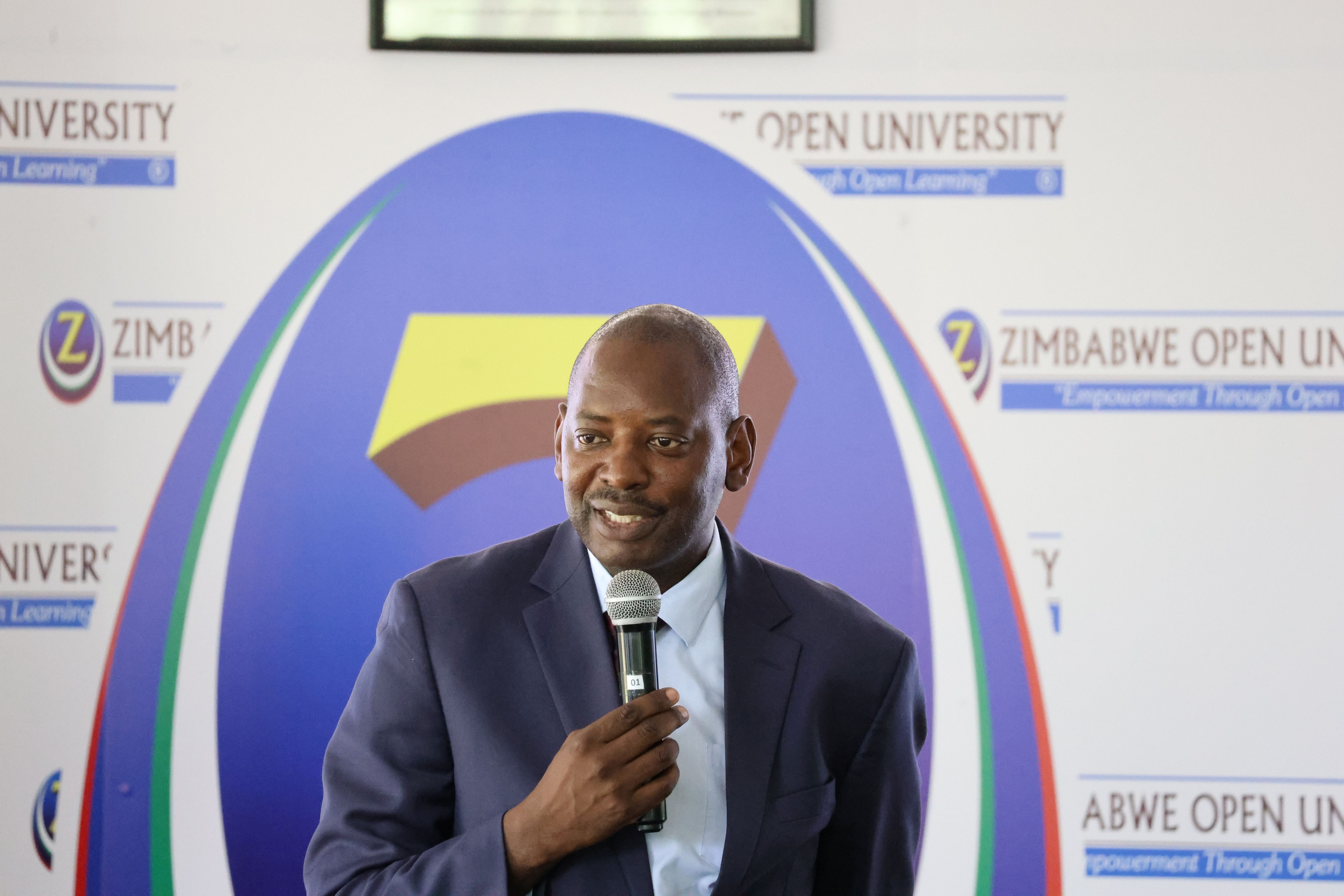
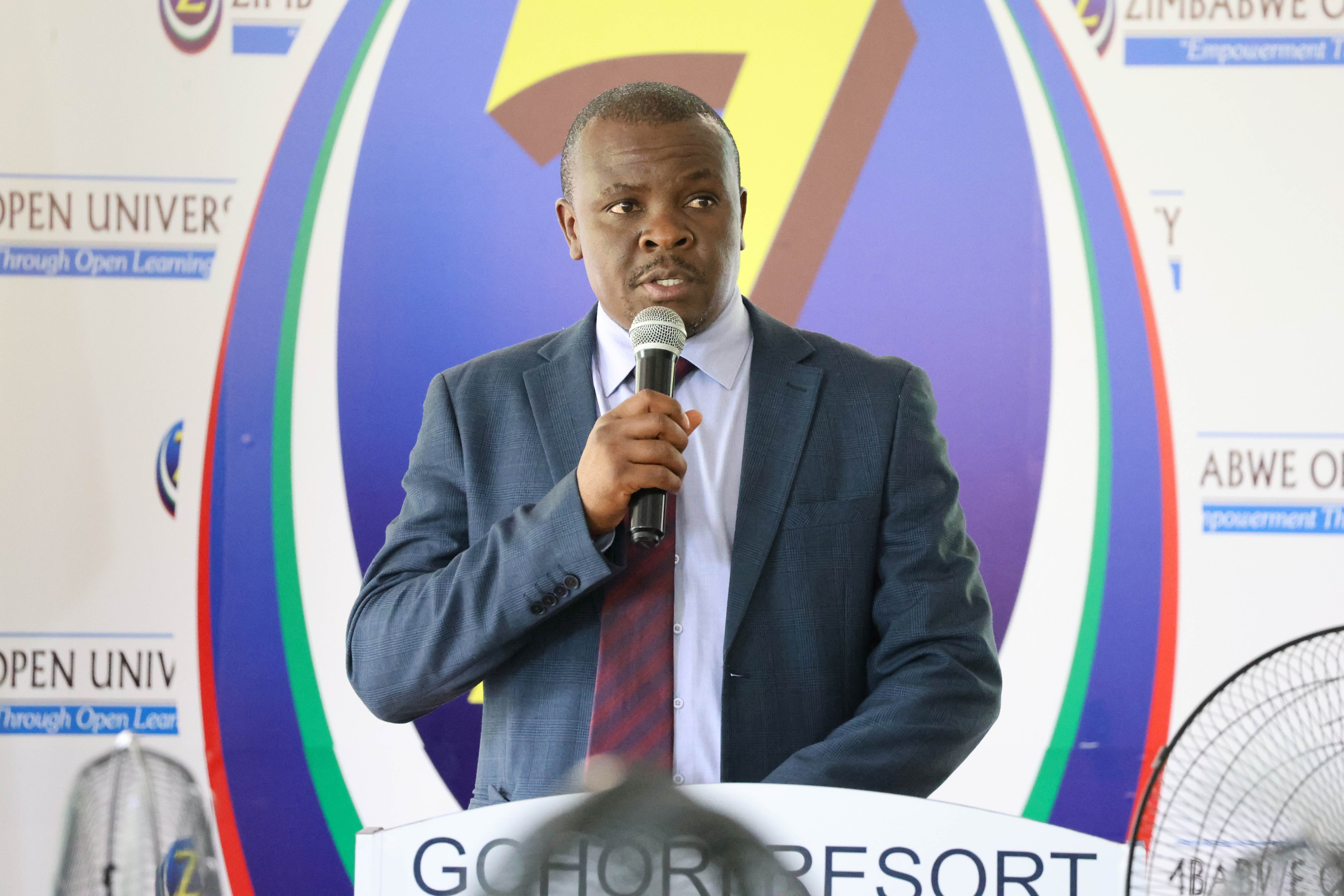 Deputy Minister Hon. Simelisizwe Sibanda addresses delegates: “The true test of a strategy lies not in how polished the document looks on paper, but in what changes in the real world because that strategy exists.”
Taking the floor, the Deputy Minister reminded delegates that behind every strategic framework and target stand real lives: a teacher stepping into a digital classroom, a farmer adapting to shifting climate patterns, a working professional re-skilling mid-career, or a citizen far from a physical campus reaching for a better future. Open and flexible distance learning, Hon. Sibanda stressed, exists precisely so ambitious dreams are not cut short by geography or circumstance.
“The true test of a strategy lies not in how polished the document looks on paper, but in what changes in the real world because that strategy exists.”
Urging ZOU leadership, alongside Council members, Vice-Chancellor Professor Emeritus Paul Henry Gundani, facilitators from the Public Service Academy, and workshop participants, to move from motion to measurable results, Hon. Sibanda called for Heritage-Based Education 5.0, research, and regional campuses to translate into tangible solutions aligned with National Development Strategy 2 (NDS2). Quality and access, he underscored, must walk hand in hand, while technology and artificial intelligence serve human judgment and genuine community impact rather than mere routine.
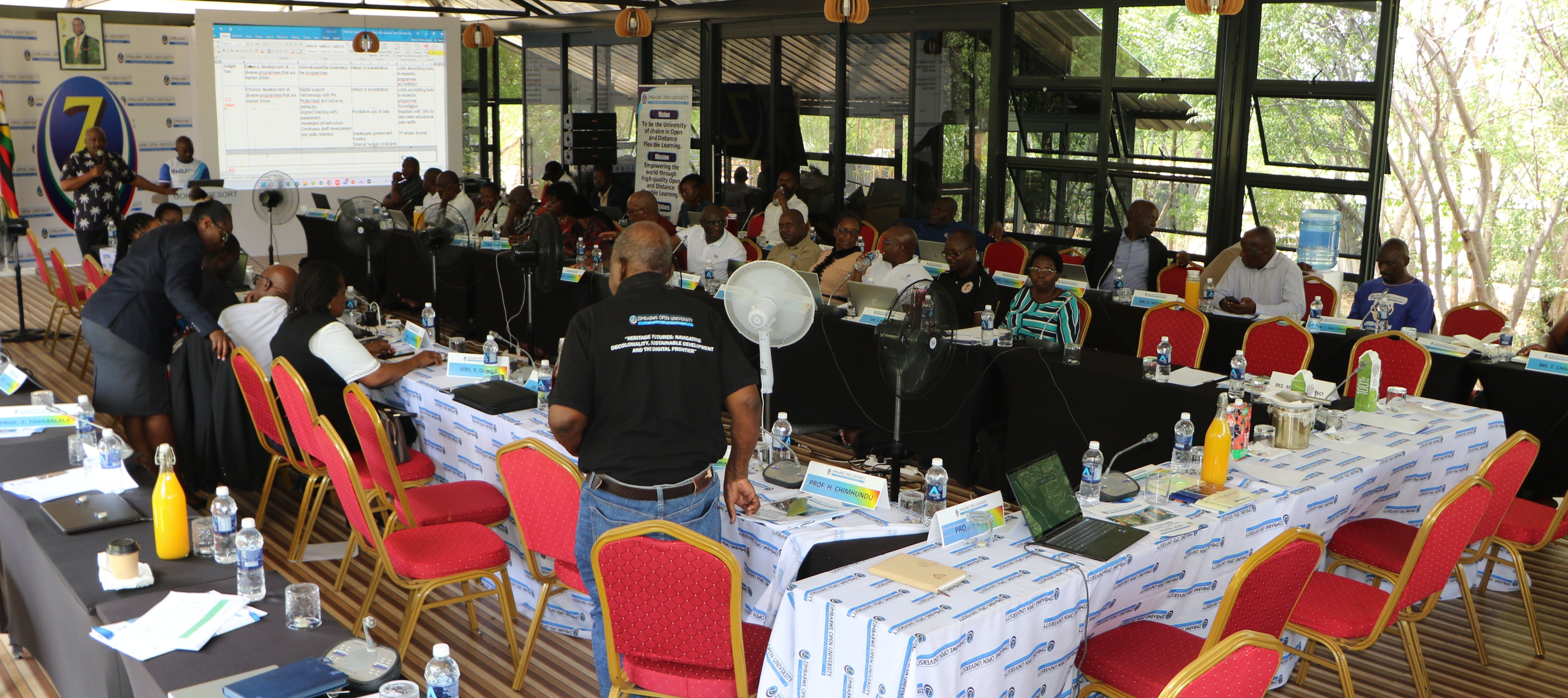
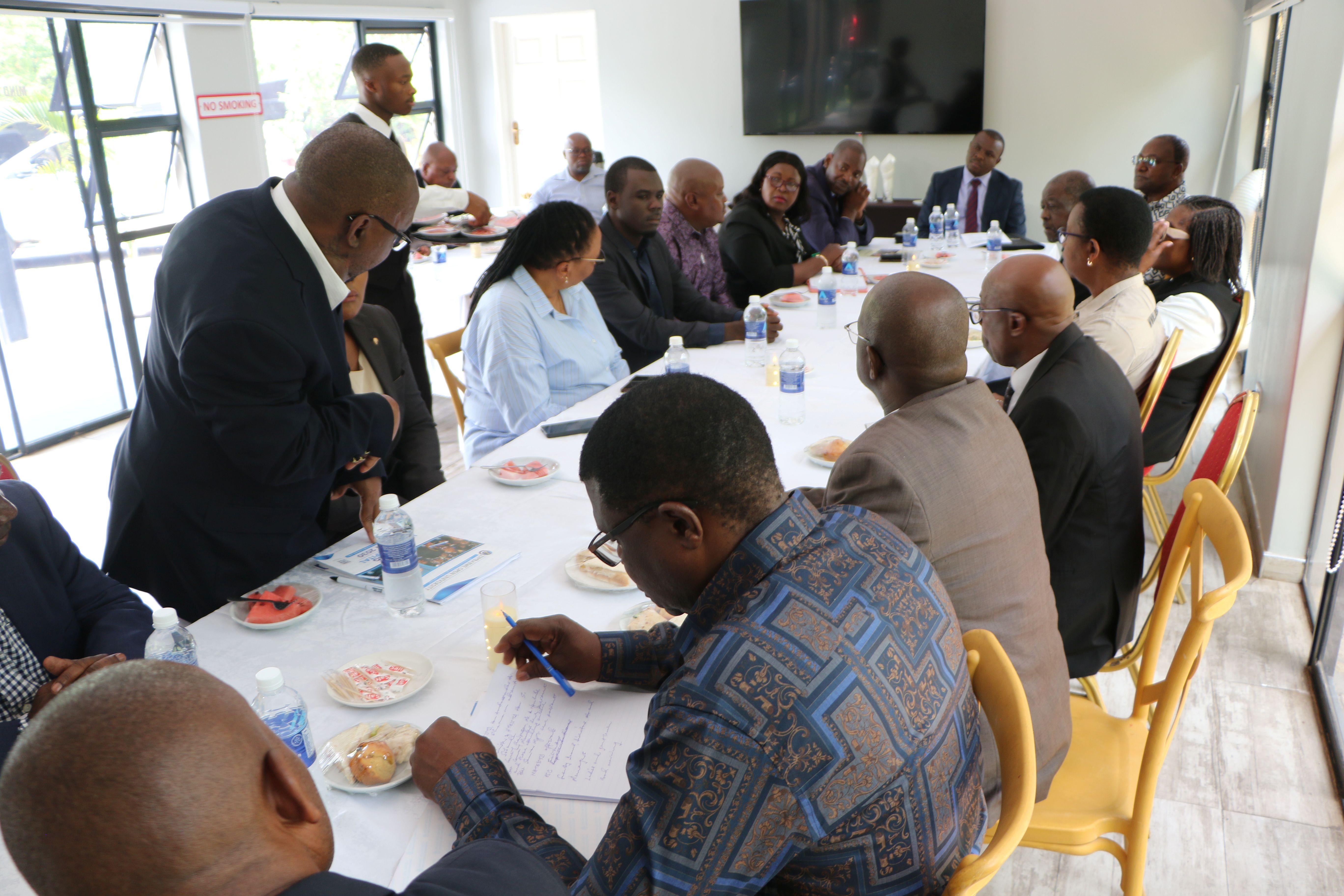
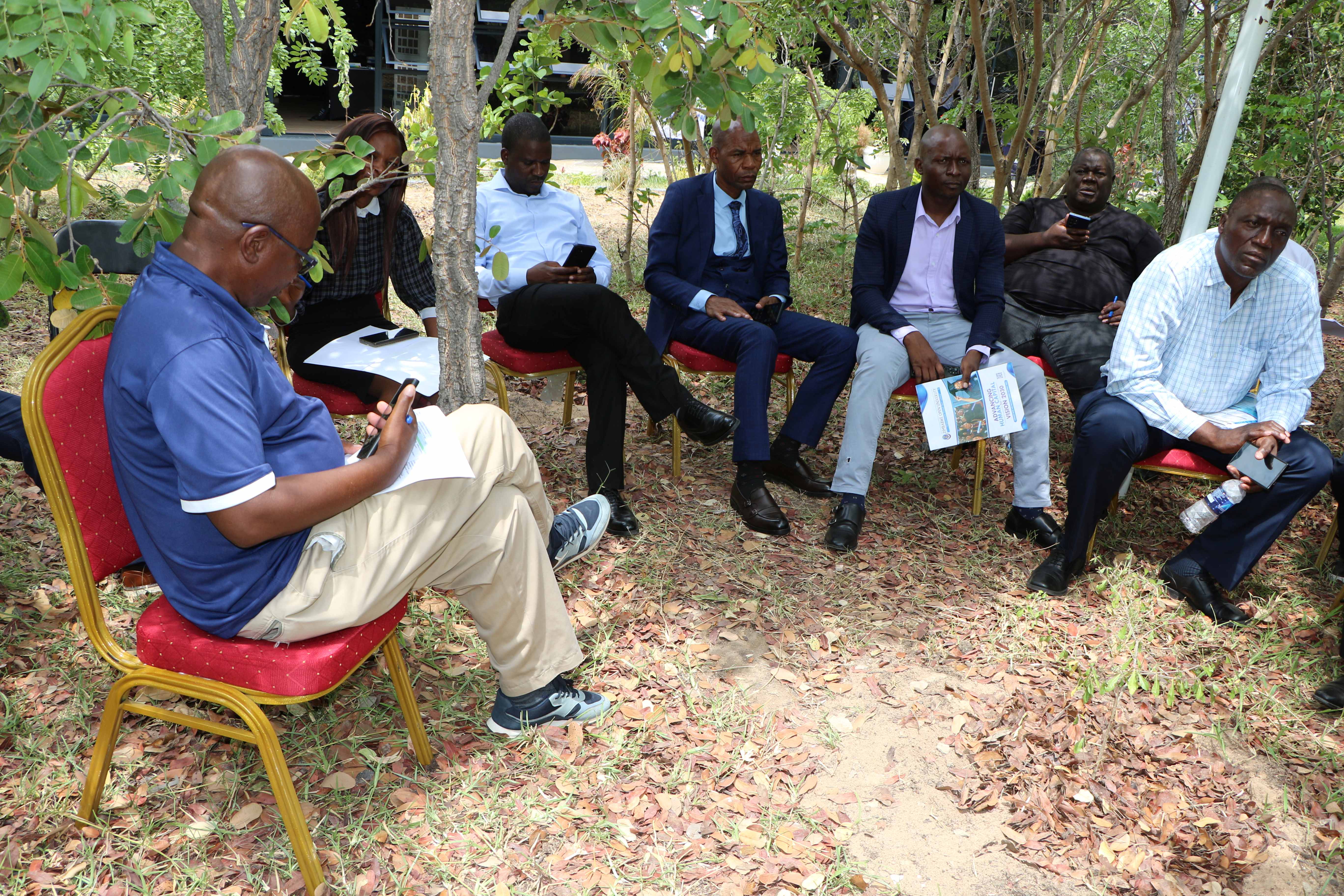
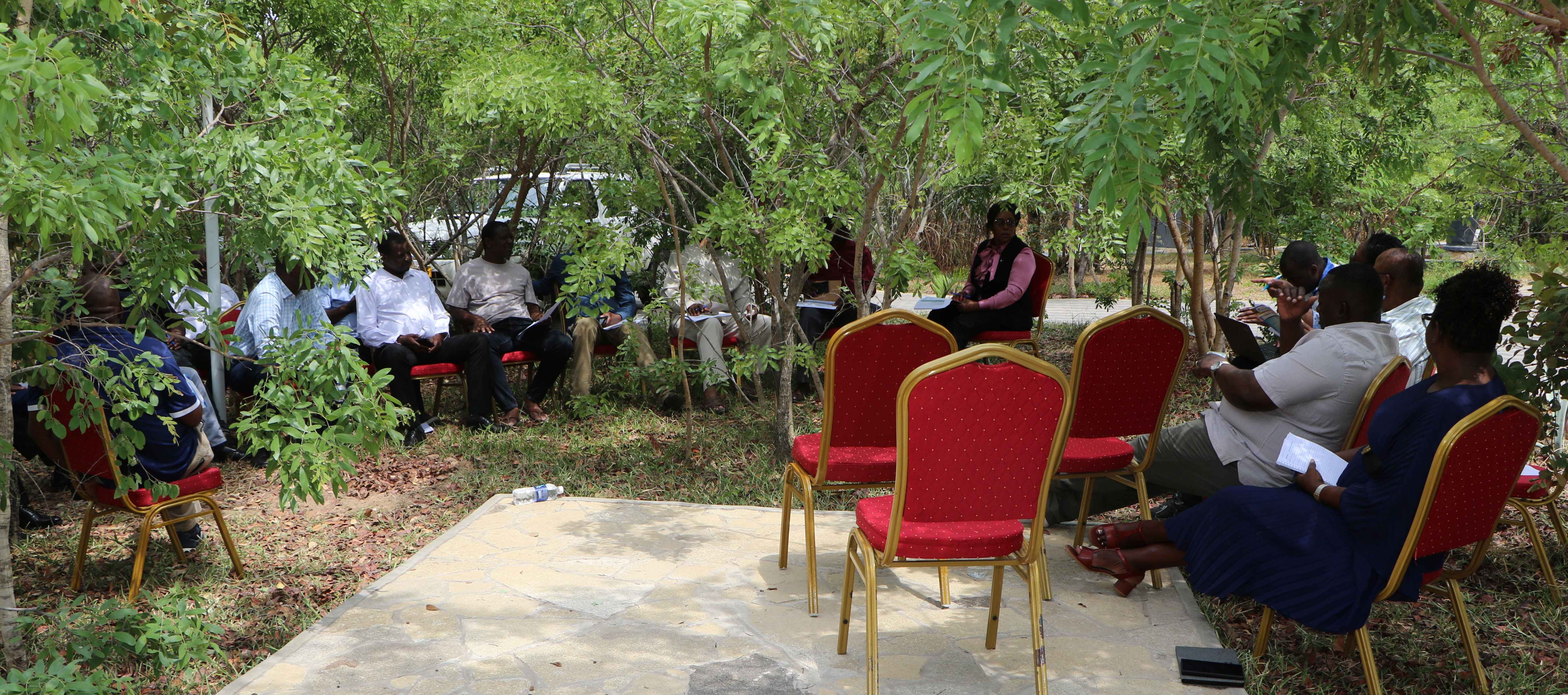 Participants break into working groups to hammer out the specifics of the 2026–2030 Outcome and Output Performance Frameworks during Day Three sessions.
The message set a purposeful tone for Day Three’s intensive working sessions. Throughout the day, participants broke into working groups to hammer out the 2026–2030 Outcome and Output Performance Frameworks before reconvening for plenary report backs. Afternoon deliberations shifted toward interrogating strategies, underlying assumptions, risks, and mitigation measures as ZOU sharpens its institutional roadmap toward 2030.
For an institution built on “Empowerment Through Open Learning,” Wednesday’s charge carried an unmistakable emotional weight: true renewal is measured not by pages written in a boardroom, but by the doors opened in ordinary homes across Zimbabwe.
Gallery